- Oct 22, 2025
10 Steps to Read Food Labels Like a Pro (and Avoid the BS)
Hey Midlife Moms!
Let’s talk about the fine print that’s secretly keeping you stuck, yep, those sneaky food labels. You want to eat healthier, feel energized, and maybe even see that scale move again… but trying to decode a nutrition label feels like you need a degree in hieroglyphics.
Here’s the truth: food companies are really good at making junk food look healthy. “Low-fat”? Usually sugar bombs. “Natural”? Not what you think. And “light”? Don’t even get me started.
But once you learn how to read labels like the strong, faith-driven woman you are, you’ll never get fooled again. You’ll shop with confidence, fuel your body like the temple God created it to be, and make progress toward your goals without feeling deprived.
Let’s walk through 10 simple, no-nonsense steps to read food labels like a pro, so you can eat smarter, steward your body well, and stop wasting money on marketing lies.
🥄 Step 1: Start with the Serving Size
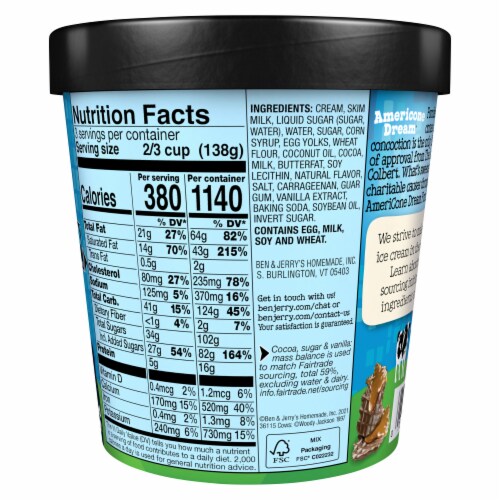
Everything on the label starts here. The serving size is the sneakiest line on the entire panel.
Why it matters:
All the calories, fats, carbs, and proteins are based on that serving size. If you eat double (and let’s be honest, most of us do), you’re getting double everything.
Pro Tip:
Compare the listed serving size to what you actually eat. A "⅔ cup” serving of ice cream? Cute. Nobody eats that little.
Faith-Driven Reminder:
Stewardship isn’t about perfection; it’s about awareness. When you understand what you’re consuming, you honor your health and your purpose.
🔥 Step 2: Check the Calories, But Don’t Obsess
Calories are just a measure of energy. They’re not your enemy.
Why it matters:
If you’re trying to shed fat, boost energy, or manage menopause symptoms, calories still count, but they’re only part of the story.
Pro Tip:
For snacks, stay around 150–200 calories. For meals, focus more on quality, protein, fiber, and nutrients, not just the number.
Faith-Driven Reframe:
Your worth isn’t measured in calories or macros. Take care of your body so you can show up strong for what God’s called you to do.
Start to boost your energy today!
⚖️ Step 3: Focus on the Macronutrients
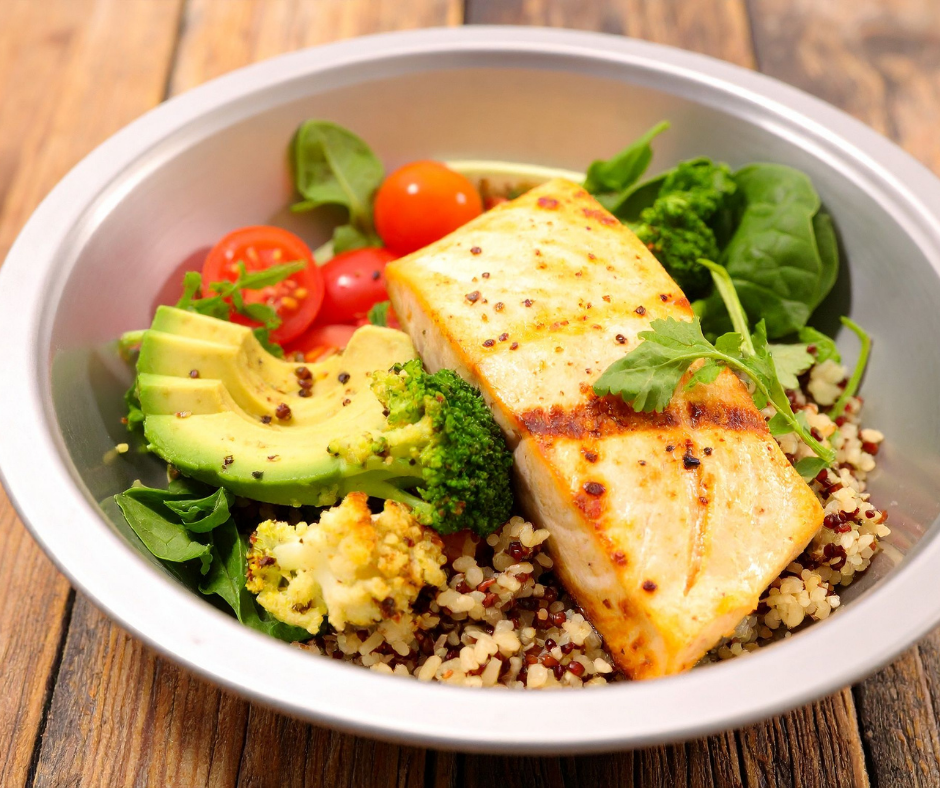
These are your body’s “big three”: protein, carbs, and fats.
Protein: Keeps you full, builds muscle, and supports metabolism.
Aim for 15–25g per meal to prevent muscle loss during menopause.Carbohydrates: Your main energy source. Choose those rich in fiber (3g+ per serving) and low in added sugar.
Fats: Not all fats are bad. Limit saturated fats, skip trans fats, and embrace healthy fats like olive oil, nuts, and avocado.
Pro Tip:
Think balance, not restriction. God gave us variety for a reason.
🍭 Step 4: Watch Out for Added Sugars
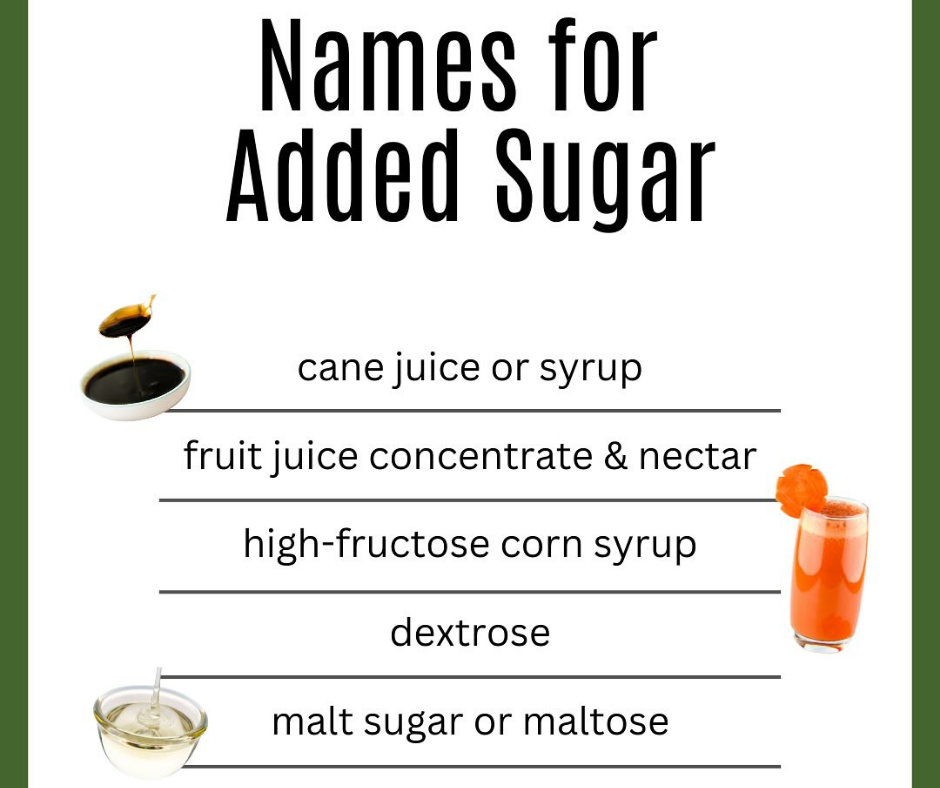
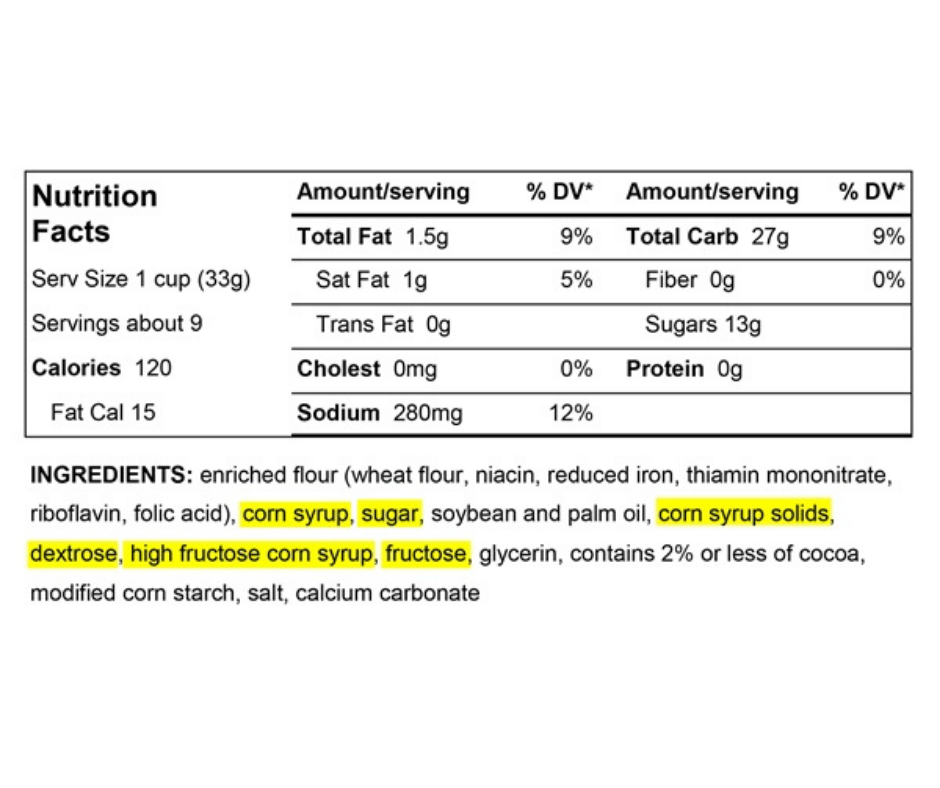
Here’s where the real deception hides. Sugar goes by more aliases than a spy in a Hallmark movie.
Why it matters:
Too much added sugar contributes to fatigue, inflammation, and stubborn belly fat (especially in menopause). It also spikes your energy, then crashes it, leaving you craving more.
Pro Tip:
Keep added sugar under 25g per day. The American Heart Association confirms that’s the sweet spot for women.
Download Alert:
👉 Grab the Hidden Ingredient Cheat Sheet Quick-Start Guide for a full list of sneaky sugar names like malt syrup, dextrose, and “organic cane juice.” Spoiler: they’re all sugar.
📊 Step 5: Decode the Percent Daily Value (%DV)
Think of %DV as your cheat code for understanding how a food fits into your daily nutrition goals.
Low: 5% or less means the nutrient is low.
High: 20% or more means it’s high.
Pro Tip:
Go high for fiber, vitamins, and minerals. Go low for sodium, saturated fat, and added sugars.
Example:
If a granola bar says “25% DV calcium,” that’s a win for bone health.
If it says “40% DV sodium,” that’s a red flag for bloating.
Read more about Micronutrients for Midlife Women here
🧂 Step 6: Mind the Sodium
Midlife Women are more prone to water retention and blood pressure issues, especially during menopause. Sodium overload is a sneaky culprit.
Why it matters:
The average woman gets over 3,400mg daily, way above the 2,300mg limit.
Pro Tip:
Aim for products with less than 140mg per serving and skip “flavored” or “instant” versions of things like soup, oatmeal, or rice.
Faith-Driven Perspective:
Peace isn’t found in “low-sodium” snacks—it’s found in balance. Pay attention, not obsession.

🥬 Step 7: Read the Ingredient List, It Tells the Truth
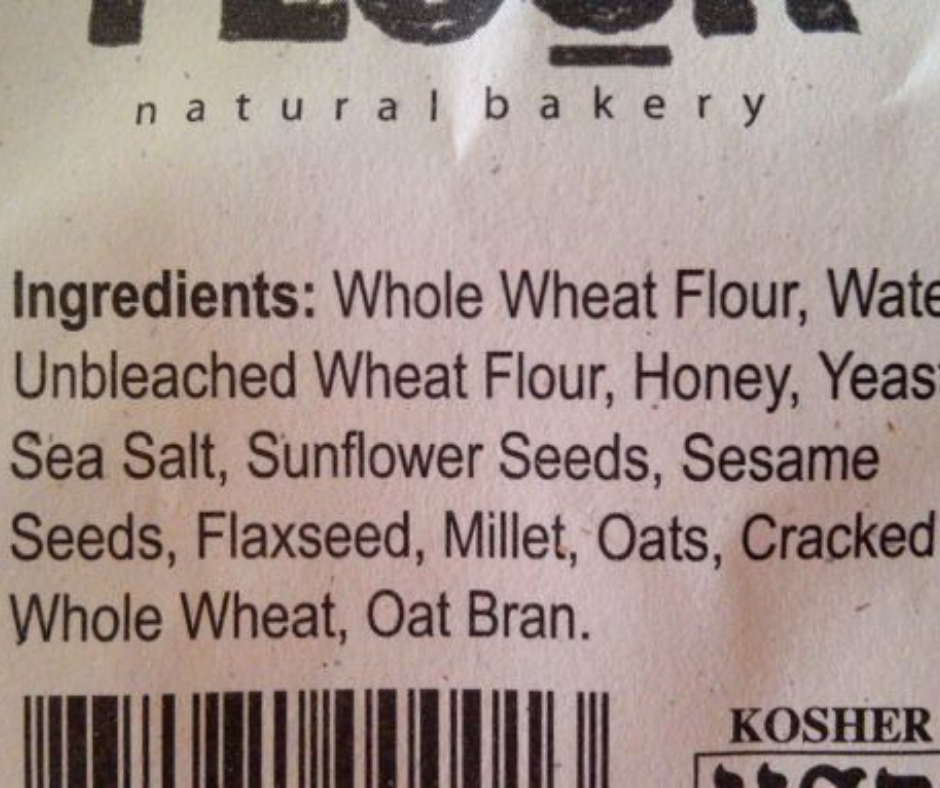
The ingredient list reveals what the product really is.
What to look for:
Ingredients are listed from highest to lowest quantity. The first three? That’s your truth serum.
Pro Tip:
Whole ingredients like oats, chicken, or brown rice = great.
Sugars, refined grains, or hydrogenated oils = not so great.
If the list reads like a chemistry textbook, put it back.
Faith-Driven Reminder:
Your body deserves nourishment, not marketing manipulation. You’re not fueling just a body, you’re fueling your purpose.
🏷️ Step 8: Don’t Fall for Front-of-Package Hype
The front of the package is the Wild West of health marketing.
Common Label Lies:
“Low-fat” → usually means high sugar.
“Natural” → legally meaningless. Even arsenic is natural.
“Light” → may just mean watered down.
Pro Tip:
Turn the package around. The truth is always on the back.
Faith-Driven Perspective:
In the same way we look past appearances in people, look past flashy packaging. Truth requires discernment, on labels and in life.
🕵🏽♀️ Step 9: Be a Label Detective
Even “healthy” products can disguise sugar under fancy names.
What to look for:
Multiple types of sugar (honey, molasses, syrup, maltose) on one label? That’s a dead giveaway.
Pro Tip:
Use your Hidden Ingredient Cheat Sheet Quick-Start Guide to unmask those fake health foods. Keep it on your phone for grocery trips.
🍎 Step 10: Focus on Whole Foods First
Here’s the easiest rule: the fewer labels, the better.
Fresh fruits, veggies, lean proteins, and whole grains don’t need ingredient lists—they are the ingredients.
Pro Tip:
If it grew from the ground or had a face, it probably belongs on your plate.
If it was made in a lab, pray over it twice.
Faith-Driven Connection:
God designed foods that nourish, heal, and sustain us. Start there.
Strengthen your temple
🧠 Final Thoughts: You’re in Control
You don’t have to be tricked by labels or diet marketing anymore. You’re wiser now. You’ve got the tools to make informed choices that align with your values, your faith, and your goals.
This week, take five minutes to audit your pantry. Flip a few labels. Ask yourself: Would I still buy this if I knew what was really inside?
Your health isn’t about perfection; it’s about progress. It’s about honoring the body God gave you and taking small, consistent steps to strengthen your temple.
✨ Next Step: Download Your Free Hidden Ingredient Cheat Sheet
Start practicing what you just learned with my free Hidden Ingredient Cheat Sheet Quick-Start Guide, your go-to list for spotting sneaky sugars and food additives at a glance.
Then, when you’re ready to take the next step in rebuilding strength, energy, and confidence…
📞 Book your Midlife Comeback Call and discover how my Midlife Shift Coaching Method can help you get leaner, stronger, and more energized, without restrictive diets or endless workouts.
Because reading labels is one thing.
Becoming the label reader who actually feels amazing in her 40s and 50s?
That’s a comeback worth making.